
This is software (AWS) generated transcription and it is not perfect.
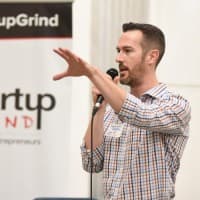
well, long story short would be, I kind of always grown up around the hiring and job search world. My dad was in tech staffing back in the late eighties and early nineties, and then after graduating college, I ended up working at a staffing company called Incite Global for about four years, and we ended up opening our first international office in Toronto while I was there. So I helped open that up, and I got to see a lot of what hiring looks like from the manager side. We actually used to sit in on interviews, which was a little bit different than, ah, lot of our competitors. But after about four years of doing that, I realized that it wasn't, you know, the right fit with my, you know, values. And so while I loved working in tech, I needed to find something that would allow me to continue to grow and really continue to kind of, you know, continue learning, I guess, would be the best way to put it. And so I decided I wanted to take some coding classes myself and potentially build something down the line. So I came down Thio learning Fuse which was a Web development boot camp at the time. Um, since then I've stepped into kind of a career director cruise services director role, which has been great because it allowed me Thio take the experience that I had from tech staffing and recruiting and apply it to the coding boot camp graduates that we have coming out who are looking to get into that world on DSO. It's kind of a unique approach, and not many boot camps kind of have. This is, you know, somebody who is able to say I've sat there in class and I know what the coding, what the development is like. But at the same time, I've also sat on the other side of the table and done the interviewing and hiring on DSO. That's where you know we're able to kind of bring that added value. I guess, from a kind of a career services in a job search coaching perspective,
so everything at the end of the day comes back. Thio. What are we doing to help our students get into the field of technology and more specifically, Web development? So everything that I dio comes from, what are people looking for in the market? What technologies air currently in demand. And then, of course, the feedback that hiring managers air, giving us based off of how students, how ready students are for, you know, a new career and kind of diving into something like this. So we start by taking that feedback based off of what you know. The market is telling us because that is what we're, you know, held Thio as a coding boot camp. So there's a lot of programs out there who may call themselves a boot camp. But unfortunately, unless they are actually helping students get jobs, they're really not much of a boot camp of more of a training program. And so where we, you know, try to continue to improve upon, is by saying, How close can we get and what can we do? You know, in our power to make sure that people are ready, and so we start from the hiring side. And then we work backwards through that as to figure out what needs to be included during in the curriculum. And then that also brings me to the admissions process. Because if people aren't going to be ready for that for that interview, for to meet the expectations that are hiring partners have, well, then we have to have a conversation with them on the forefront to say Either you need to spend a little bit more time getting ready. Or we need to look at other avenues for you, whether that might be data science or maybe user experience design, which requires a little bit less, Uh, you know, programming, you know, and kind of analytical skills. So you know it. The first time I meet with the student is as they're thinking about doing something like this, they want to learn a little bit more about the program. But everything at the end of the day comes back Thio. Have they learned the skills? Are they ready for the job and do we feel, you know, and are we doing? Are you know, due diligence and saying it and and leading them down the right path because it's easy to say, Yeah, you could do it. But if you already know that they're going to struggle in a job search or they probably are maybe professionally mature enough for a job than we need to be more transparent with them up front rather than letting them figure it out after they've made such a big commitment.work hours typically fall around our class hours and our class hours are from 10 a.m. till 6 p.m. Now. Outside of that, because one, the main focus is, of course, supporting the students. So if we're talking about it all kind of mix in the priorities in the work hours, you know, priority number one is making sure that students feel supported. And don't lose the motivation or the curiosity to continue down this path that we've already interviewed them and screened and said, You can do this. Um, the last thing that we want to do is Thio just break somebody and and push them away from something. Because, as we all know, throughout life, we change as humans. And the last thing that you would want to do is to just push somebody away. Because at that one point in time, maybe, you know, you don't think they're they're ready for it. If if they've shown, you know the potential and once again that comes back to us interviewing them and making sure that that's right, then we need to make sure that we're going to stay committed to them. So that's gonna be primary um, you know, kind of hours between 10 and six is supporting the students. Um, the secondary. And it kind of falls in line with the top priority is or the students getting hired. So if they're supported, that's great. But you know, it doesn't We're not, you know, here to kind of help them act as a, you know, just a group of people that ask questions. Thio. We also need to make sure that we're helping them find a job. So I need to make sure that they're getting hired and they're getting hired in a timely manner because they've made a huge commitment to us from both a financial, you know standpoint from the time that they're putting into, you know, the program and learn to code Andrea Lee a lot of trust as well. And so if we aren't getting them to where they need to be or they hope to be in a timely manner, well, that just increases the chances that they they lose interest in, you know, coding and Web development specifically, um, or they end up having to need to go back to their old jobs. Which part of the reason once again they came to us was to, you know, make that career switch on, Ben. Outside of that, we want to continue to grow, you know, our program and our brand. Um And the reason for that is because there are a lot of people looking to make a career change. Um, and our industry is young, but unfortunately, there are a lot of programs popping up that, uh, are making promises that they aren't keeping. And as a result, that's gonna end up hurting our industry and our graduates in our students. And so the more that we can bring, you know, some of this transparency to the boot camp space. Uh, the more likely that boot camps are as a whole are going to be successful. You know, in the eyes of employers, um, and there's gonna be less people who have felt that they were quote unquote ripped off. So outside of the work hours, there's a lot of networking that goes into play because, you know, wanna meet the employers when possible. Also Wanna talk, Thio um you know, people in the industry s o sometimes days started 8 a.m. with a networking event and sometimes they'll end, you know, at at seven or 8 p.m. You know, with with another event. So, uh, typically 10 to 6, sometimes and more often than not, usually a little bit outside of that.
Yeah, So we work pretty heavily and rely on slack. That's gonna be the main one on a day to day basis to stay in touch with students, answer any questions that they have or, you know, surrounding the job search, potentially feedback off of their resume or a cover letter that they're going through. Um, outside of that and you know it's it's more of a site than a tool. But linked in is just hugely beneficial to a role like mine and then toe also helping the students as well. Because one of the things that a lot of people forget, especially if they're newer in their career, is that 85% of jobs that air filled every year are filled through networking. And if you're not out connecting, especially if you're making a career change, you're looking to break into tech. You need to build that network up and start connecting with people on. LinkedIn is the easiest way to do that right now. Now, of course, outside of that, you have websites like Meet up on Eventbrite and join Hub, who are all creating additional events for people that find, um, outside of that, we have a couple of platforms that we like to use this well, one of them is called higher ation, which helps with resume tailoring as well as, um, you know, kind of tracking the jobs and the applications as well. So there's a couple of little, you know, things here and there. But I would say by far LinkedIn is is the most valuable.