
This is software (AWS) generated transcription and it is not perfect.
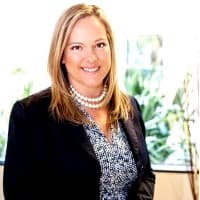
so as as a working mom, Um, and a scientist and a professional. You always have those those people pulling on you, those those different perspectives you have. At that point, I had toddlers pulling on every part of me possible to go play with them. But I also had a career. Um, and I also was gonna be a professional woman. I wouldn't have it any other way. Um, but also, I needed to learn about business. So I decided to to enroll in an MBA program, which is a radio school of management that really focused on start ups and innovation. So really, when you're doing that, that next step in your career and then you're gonna go after an M B. A. Really find out what that MBA school really focuses on, because whatever you want to focus on next, then you can go in and get that that, um, that return that reciprocity of your next step. So at that point, I also decided to do it part time. So it was two years part time. The part time was every Friday and Saturday. All days was kind of crazy to do, like 2.5 days of full MBA, and it was very rigorous. But I was able to be a mom the rest of the time. I was able to be a mom Monday through Thursday and then go in for Friday and Saturday. And so those the kinds of decisions that we as professional women, have to make it like, how do I make everything work right? S so that was That was a really huge blessing for me for two years, getting that rigor. But during that time, my father passed away. And, um, I was I was working on start ups since ever that the thing that always came up was access to capital. Access to capital for start ups is super hard on DTI. Get an investment is incredibly difficult, especially for women and people of color, very, very hard. So I knew that dearth of of that access to capital. So when I received capital, which I never even knew in 1000 years, I would ever get that, you know, I was a shock to the entire family, you know, the wealth that we we inherited. So I said, You know what? I don't need another good cheaper. I don't even have a Gucci purse, by the way, but I don't need a purse. I don't need a car I don't need. I think I want to invest. I want to make an impact on women and on people of color. So basically, I transitioned into being an investor really overnight, and I was able to help startups received the funding that they deserve. Red se eso fast forward 10 years I'm up to about 40 companies in my portfolio Onley women only people of color, period. That is just what I do. That's not gonna change ever on dso I'm involved in a very different, um places like ad Astra Ventures, NextWave Impact fund that allow me to invest in women and people of color through spv special people. Purpose vehicles through my own investments have actually arrested in five companies even during cove it because that was just the right thing to do. Um and then also I work at the university. So that's why I'm more on this call. Is that at the University of San Diego? They were looking for a director of the Center for Peace and Commerce. So again we talked really a long time ago about how much I love undergrads and how much I loved their their view of the world being huge and attainable and so many great things. That's the them. The let's say, the the spark in any student right, that's your in tow. Learn more as a zone undergraduate or graduate student. That's what I really love about my career. And so I went back into the University of San Diego, and we have a social innovation challenge, which is called the Fowler Global Social Innovation Challenge that any undergrad aggressions across the globe can apply to through that university. So it's a really great way to stick with my important investing ceases stick with, you know, helping undergrounds and grad students Trivoli I'm launching.
Yeah, well, Kobe changed everything. So, um, I before Kobe it I traveled a lot. So for the directors economy, I only started pretty in January. So about six months, eso usually a director position like that one you really are involved with, You know, developing a financial model sustainable model for this temper. So how do you get grants and sponsors and people who will help you grow the program? So that's one piece of it. Another piece is teaching undergrads and grad students about the business model canvas. How do we build out of pitch pitch deck had? How do you pitch? All of that is part of that curriculum based aspect of it. And the third part is a lot of relationship building, right? It's about connecting to another university. We have about 20 university that are part of our global network, and we want to grow that more and more each year. So to do that, you need to kind of be talking to universities and before covert it. But a former assistant director would go to different countries and different universities to talk to them and bring one or two the network right, and so um, you want a mute yourself? Totally. Yeah. Do you want a mute yourself or or is it just recording me? Okay. Perfect. Um, so the former assistant director really traveled everywhere. And that's what a usually a director position does. Is the relationship building a super important? So now, with Kobe, everything is virtual. So it's easier but harder to get. Um, um, let's say a meeting, because it's easier because you could just jump on a zoom. But it's harder because those relationship builds its about person to person, right? It's about the connection that you have with somebody or traveling to have travelled to Russia and Malaysia to visit universities and before I was a director. But it's a similar type of thought process to be there to bring value to students, to bring value to organizations like a university. Um, you can really, I mean, not only do it in person, but it's a lot more valuable in person, right? So that's why I'm saying, through covert and doing everything virtual, you have to really up your playing field off, making sure that you are very approachable during a zoom, ask questions and stuff like that so that relationship build piece of a director is a little harder but challenging. But great. I'm all that mixed together in the in the current Cove it situation and other questions that you had was telling about work hours including, you know, spent work on So So travel right now is zero, but it usually is quite a bit of travel. I was traveling before, probably every month somewhere, right, so over a weekend or a Tuesday Wednesday, Thursday to different universities or different entities that are working on innovation. So I'm an innovation like guru and ecosystem builder for social innovation, which is part of what we do at the Center for Peace and Commerce. So where do I go anywhere that people need me right now with Zuma. Secondly, whatever people need me like you is getting on a zoom, bringing value to people, making sure that we are spreading the world about social innovation, about innovation in general, about peace, about commerce, about business. All of that is something that, as a director, you're constantly putting value out their value. Value value, mentoring people. Yeah, I'll be there. I'm connecting with other directors connecting with other service providers, other students, other universities. That's that, that ecosystem that you're building. Um and I think that one of the questions that I get a lot from, actually students and other, um, you know, suit undergrads and grad students is that do you need to be an extra vert to do this, right? How do you get this energy? So a lot of people don't know that I'm a complete introvert. I would love to just be reading a book in a corner, but because you are so passionate about connecting people so passionate about innovation, so passionate about I want to get students launching their businesses. I mean, the ego that I have of like, I want to be in a corner, like is away because it shines in that I want to make this impact. I want to be there for the students. I want to help them. How way I'm going to do it, man. I'm gonna do it right. So I think that it's not an extroverted versus introvert. It's more of like What is your impact and what is your why right? And my wife is a director for peace and commerce is to amplify social innovation in general, in higher education and secondly, is launching scale student ventures, period, Right? So you're really saying OK, that's my why that's my impact. That's my North Star. If I'm an introvert, extrovert, high hybrid, introvert, extrovert or whatever it is, I'm going to get to this right, because that's what really matters. And that's why I want to make that impact. That's the legacy. I want him. I want to leave behind me. I want a big bring up the next person that's more important that yourself, right? So I think that that's a question that I get a lot and this time of outward facing person, so weekly hours, including spent on travel and work at home. Right now, I'm working from home all the time, so that's always a challenge, right? Is that how do you manage being virtual? How do you manage doing tasks value? Add like these arm types of opportunities and getting like, you know, um, operations done in a In a position that I'm in right now and having three Children, I have, ah, college age student that came home. So how do you do that? So really managing everything That's a lot of a woman's. As a woman leader, you have to manage a lot
I think the challenges of a job like this is, um, really making sure that you are, um, being very mindful of your time Right on. And I think that goes with any job that you have. Um is that what is a priority? What's not a priority? What do you need to work on today? What do you need to work on tomorrow? How do you build that out? And it's not that. Let's say you're in a job and, um, there's like, let's say my boss, right? She gives me my hi goals, right? That my boss is the dean of the school. So she gives me my hurdles. But I have a lot of goals that are task oriented. How? No. I work on these tasks. How do I communicate to her? I'm working on it, but not so detailed oriented so that she understands. How do we build this out?