This is software (AWS) generated transcription and it is not perfect.
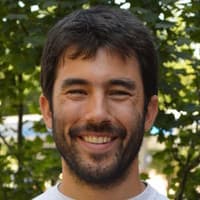
Yeah, sure. So I I graduated from college in 2008 and I ended up working on a political campaign, was living in, uh, in California in the San Francisco Bay area. And I worked on the campaign to try toe keep same sex marriage, legal in California, and ultimately, we actually lost the ballot measure. But as you know, eventually Supreme Court ruled in our favor and we continued in the interim Thio organize people and have conversations. And I was really interested in this political work in trying to, like, you know, uh, make make our country and our world a better place. Um, and I kept running into just this frustrating situation where we were making a lot of phone calls, and it just took a lot of time because we print out the names of people to call, and then we would recruit volunteers, and then we would dial the phone numbers and we write down on the paper. What happened? Then? We enter them in the computer. There's this really slow, inefficient process. And I had the idea to start a software company to build. I used a couple like web based dialing systems And so I ended up doing this. I started The software company didn't really know what I was doing. E only had a little bit of development background, and I kept kind of bouncing back and forth between I should learn how to code and just build this thing myself and wow, like it's really hard to figure out how to learn how to code. I think I'd be good at it because I, like, took some coding classes when I was a kid. And I'm good at math and I like I'm good at music and these air often like things that people say like good signs that you'll be a good programmer. But it's really hard to find resources in supporting structure, toe learn how to do that. So then I would try to hire somebody or find a co founder, and it was really difficult because there was just this huge demand for tech talent. So I am. I ended up. I ended up starting that business and running it and hiring people. But But I couldn't let go this idea that there were all these people who are unemployed or underemployed and, uh and there's this huge shortage of software developers. And there wasn't a good way for people to learn how to code besides going to like a four year computer science program or just teaching yourself with books and, like, kind of the frustrating experience of learning alone. And so I am. I kept thinking like somebody should teach people how to code and help them get jobs in tech and eventually I just started talking to people about it, and I met somebody else who kind of had a similar idea. And I helped him start one of the first of what are now referred to as coding schools or coding boot camps. And I helped him get that off the ground. And then I I saw a bunch of school started opening people saying, Oh, this is a really good idea. We should do this, too. And he started seeing, you know, dozens of schools open around the country. Then I was a little dismayed because I saw that a lot of them are really focused on how exclusive can we be. How can we get the cream of the crop students and get them into the highest paying jobs, which is all well and good. But I thought there was this big opportunity to help people who didn't have a background in tech who maybe haven't gone to college who were working for low paying jobs and get them a foothold into the tech career into the tech industry. And so I ended up moving to Portland, Oregon, and, um, yeah, and starting epic Otis with really a focus on keeping the school really affordable, keeping the training really accessible, and yeah, and that's kind of been our mission ever since.
we offer one certificate program, and it's basically just like teaching everybody enough so that they know just enough. Thio get started as an entry level developer or, you know, some people in the working in Q A or in product management, but those kind of entry level technical jobs. And we when I ran my first class it waas, I think, nine weeks long and then I scream into with a slightly longer format on Di did on those 15, I think. And then I did an 18 week one. And so now we actually have. It's a It's 20 weeks in the classroom full time, followed by two weeks of preparation for than a five week internship. There were actually about to start offering on a part time basis is, Well, um, that one will be 40 weeks in the classroom, and then the job preparation or the internship and and the preparation for the internship will be on a more flexible schedule, depending on what the student wants to dio. And one of the nice things about just starting the school, you know, really small and not being a part of another institution is that I had a lot of flexibility to experiment and try different classroom formats and try things that we're really out of the norm for very different from the education that I got. And so one of the things that I really wanted Thio experiment with him that I ultimately proved really successful is the flipped classroom, which is this idea that you know, in a traditional classroom you have a teacher sitting up front giving a lecture, and the students take notes and maybe ask questions. And, you know, you might have even like, um, there's some sometimes, like break out into small groups and work on something together and then come back together. And then maybe you have a lab that you go and you do on your own and some homework that you do, and you come back in a flipped classrooms kind of the opposite and in for homework. You watch a video or you read some text or you go through and you absorb the information that might be given a lecture in a traditional classroom. And then, when you go to class, you do You work on projects all day, and I had I'd seen some of this approach in the school that I had helped start in San Francisco, and I just thought it was really powerful because, you know, one of the challenges of giving a lecture is that you you kind of have to slow down thio accommodate you either slow down to accommodate the slowest student or you go faster and you leave some people behind. And when you have the flipped classroom and people are absorbing the material at their own pace, they can. They can read and re read, or they can watch this video and then re watch it. And if something doesn't make sense, they can stop and they can think about it. And they can Onley go on when they understand what's happening. And on then when in a traditional classroom, you're kind of left on your own devices to go and do homework. And if you get stuck well, like good luck, you know, maybe come to office hours or calling other students in your class or try to form a study group. But you're really kind of on your own when you need the most help, and with the flipped classroom you're in the classroom, you're there with your teachers and your other students. And so you have all this support right around you at the time that you need it the most. So I I was really interested in this format and ended up trying it out and, uh, and felt like it was really successful. And the students really liked it. You know, some students, they say, No, I want a lecture. I want somebody telling me what to do and I want You know, I like that traditional format. That's fine. Those people can find a different school. It's not what we do, but the vast majority of the students that we've worked with really like that different format. So you know when you say how much time is spent in person versus online, You know, before Koven started, Way had 40 hours a week of in person instruction. And then and then we had, you know, the homework that people would dio, which kind of took the place of traditional lectures. And that could be, you know, half on hour a night thio sometimes over the weekend, like a couple hours. If there's like a really big new concept that we're introducing now with Cove it I mean it, Z, we've moved everything online, but it's still a really similar format. You show up, Thio. We use discord, Aziz, like a kind of chat on audio server. And then we use visual studio live share which allows people toe basically write code together in a shared format. And we have them, uh, we have our students pair up. And so Monday through Thursday in the classroom, they would pair up and share computer. Now they pair up in, like, basically, do this like, uh, live code sharing andan. They have They have an audio channel going between them so they can talk through their code. And then so they work together 8 a.m. to 5 p.m. With a break for lunch in the middle on the the projects that we assigned during the day. And then they, you know, have some additional homework to learn a new concept for the next day. And then on Fridays they work on an individual project to make sure that they really understand the material that, you know, they weren't overly relying on their pair. The other people that they were working with during the week and that they're able toe that they've really mastered the concepts for that weekso Monday through Thursday. They're doing eight hours a day pair programming, and then Friday they're doing eight hours of an individual assignment. Then, outside of that 8 a.m. to 5 p.m. Class time, they have, ah, variable amount of homework per night, you know, and they have homework over the weekend, too. So, usually over the weekend, they learn a big new concept, and that could take longer. You know, that could be an hour, two, even three, depending on what's being taught and then on the weekday evenings. It's usually a smaller kind of something building on that big new concept on that might be half a now, er to an hour to sometimes even an hour and a half. You know, some students need a little additional time to, and they'll going to review what they went over during the day. And maybe they're Pair was really understanding it better than them, and so they need a little bit more time. Just review what what they worked on during that day. So it's really variable, depending on what the student needs
Yeah. So one of the really nice things about the flipped classroom format is that all of our teachers air working off a shared curriculum. So any time that a teacher says, Hey, this thing isn't working quite right. Then they can make that change. Or they can go to our director of curriculum development and and say, Hey, we need to fix this. And then when it gets fixed for that teacher gets fixed for everybody and we're not waiting on, you know, new textbooks to ship out in three years, Andi and the bar that we have for making improvements is much is much lower. You know that we can say, uh, we know immediately, you know, if we write a new lesson and then students come in and the next day and nobody knows what to do and everybody is struggling, we know that we need to explain that lesson more clearly, and we could go back and we can fix it immediately, or even if we wait created a project for the students to work on, and people are struggling it and we realize, Hey, we didn't explain that project well enough for that project. Contain some complexity the students weren't quite ready for or that project was too easy. Everybody finished it in three hours, and now they need something else to Dio. So So we get that feedback really quickly and really time from the students. And then we make those improvements were constantly changing and up creating the curriculum. We have a full time person who the only thing that he does is work on curriculum and make it better. And yeah, and then we get feedback from company is saying, Hey, this is like these are the skills that we're looking for. This is what we need. Like, you know, we have this big internship program where all of our students go through internships and companies will say, This was great like, but I really wish they had this knowledge with this knowledge. And, you know, a lot of companies, it's hard to please everybody, right? Different people, different companies have different needs, so we kind of have to try to create something that meets what most people need and then ultimately set our students up to be ableto learn the rest of the skills on the job, which is, you know, really what being a developer is all about. Uh, it's the tools constantly change the practices, change the things that you're needing to do change. And so you've really got to be able to keep learning. And that's what we really try toe. We try to give our students that base of understanding and a core set of really practical, applicable skills and then the tools to continue learning on the job and throughout their career, Um on. Then once a year, we have a curriculum advisory board that's comprised of, uh, usually there's like three or four people on it. But you know, there's a least one alumni who's been working in the industry for a while. Um, there's uh, and then there's a few people who are more kind of industry veterans. Right now, we've got a pretty senior person at Microsoft giving input on what we're teaching and how we're teaching up and they review kill him. Then they review the changes, an update that we've made in the past year, and they say, Hey, this is all good. This is where I think you should be going. Here are some suggestions for improvement