
This is software (AWS) generated transcription and it is not perfect.
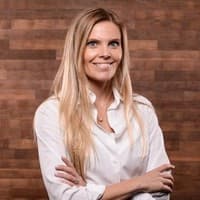
great. Thanks, Dad. Thanks so much for having me and really excited Thio share my journey. I think for me. Um you know, I always wanted to have an impact and I don't know if it's my only child traits, but I've always been fairly extroverted and have wanted thio make an impression on people, no matter what it what, no matter what the scenario was whether it's social, professional, educational. And so I feel that in general I've always wanted Thio and have worked hard to stand out. And sometimes that isn't always about being the smartest person in the room, so that's definitely not what I'm talking about. But ah, key thing for me was working very hard. Eso hustling, going the extra mile in order to stand out and to get opportunities. I think another big thing that's contributed to where I am today is planning, So I'm a huge believer in in planning ahead. Looking ahead, um, I think the more planned out I have been, whether it's about the trajectory now of wind code, what our upcoming goals are our team are the education we're doing or even my personal life just having a clear idea of where you want to get thio and measuring the progress of how you're planning to get there has been really helpful for me throughout my entire career. Andan. Another thing I would say is that the people around me have influenced me a lot, whether it's my team members and you know, people who are my colleagues or it's people who I used to report to. So I worked at the National Hockey League in corporate management for 10 years before I became an entrepreneur. And so I was really shaped by the executive leadership there and the things that people in power did to not only motivate others, but what they did to mentor me and give me opportunities to rise. So, um, I've tried to continue the positive impact I had from other leaders. Prior, Andi and, you know, tried to elevate other people in the way that I was elevated early into my career. And so for me, you know, it's it's a bit of a cliche to say that surround yourself with people who are smarter than you has has played really well for me. So I endeavored to do that as much as possible. And in the beginning, when you're younger, you know, I really wanted to have the answer. Always. Um, and what I've learned as I've gotten older and more experienced, is that a lot of other people have the answers. And if you learn to listen actively on collaborate, it actually has always resulted in the best outcome. So andan, the last thing I would say and I know we're getting into a bit of advice piece here is having the courage to ask for the things that you want has been really important for me. So even in a corporate setting, something that I did was I asked for a promotion. I asked for more responsibilities. I for now, when we're building wind code, I try to ask the team as much as possible. What do you guys want? Where do you want to see the company grows? So, uh, I think asking for what you want is very important, but making sure you're doing it from a standpoint not of entitlement, but of doing the work, showing your value and then saying here, I'm doing this because here's my plan. Here's what I would like to see happen How do you feel about whether it's a you know, someone you report to or your team or whatever it may be, or investors for anyone who's starting a business and wants to raise money, yeah.
great. So thanks for asking the question. So Win Code Academy was founded in 2014, and the mission was really to give people who wanted a pathway into technology careers a software developers and U X Y product designers, the type of vocational training they needed in an intensive, immersive manner so that they could pivot wherever they are, whether they're a recent college graduate or there are, you know, there's a real estate agent looking to transition. We wanted to do that in a market. So we opened in South Florida in Miami. We didn't want to go to an established technology center like, you know, San Francisco, New York, Toronto, whatever it may be, because we really wanted to have a strong social impact on an emerging tech ecosystem. So that's why we chose South Florida, the programs that we offer our, uh, to immersive programs. One is for software development, So to become a developer, the other is to become a U X you I product designer and, um, before co vid are. All of our programs were exclusively in person, uh, there 11 weeks long and there Monday to Friday, nine AM to six PM eyes. The is the formal programming, but really, you know anyone who's going from zero to developer or zero. Thio, product designer in that amount of time, is spending all of their time in 11 weeks on learning this new craft in these new skills. And so so those have been really great. The It's been really interesting because the type of people who come into our programs are very different. They're very unified and where they're going, meaning they want a technology career. But they have such different backgrounds ranging from you up, you know, on the higher end of careers, like even doctors and attorneys have done the same. But also we've had, you know, waitresses or stay at home mom or real estate agent or a marketer. So you know, I think it's a lot of people who are looking to pivot into technology, and everyone completes the program in 11 weeks. So it's 10 weeks of curriculum, and the last week of what we call Career Week and then interwoven into the whole program is not just the technical learning, but there's also professional development curriculum toe learn how to give good presentations, how to collaborate as a developer how to be a developer and collaborate with other teams and vice versa with product development, how to advocate and present yourself how to negotiate. You know, I think all the soft skills are just as important as the hard skills for breaking into technology. So we place a huge, huge importance on that. And then we're one of one of few schools that does a transparency outcomes report that's verified by an independent third party. So we've maintained the 90% job placement since we founded Wing Code, and we actually have a whole report. When you go to our website on the job support section, you can read all the demographics like the average age. The average starting salary with their education was prior what their jobs are, what kind of jobs they get from the program. And, uh, typically, it takes anywhere from a month Thio 12 months to get placed. It depends, but the majority of people so 50% of graduates are placed by the six month mark
Yeah. So this is a really interesting one. And I'd say for a vocational training academy like ours, we have. You know, we're definitely not a replacement to traditional academics. Eso we're not against college degrees in any way. We're more of a supplement and a launchpad. Thio get very focused. For example, maybe after your degree. Um, and one of the things that we have is were small and nimble and very agile, so we could make changes quickly. And we're a lot closer to the market than, for example, a big educator would be. And so for us, all of our curriculum iteration is based on market need. So we were very close with all the companies that hire from our program. Over 450 companies have hired from the program, and, uh, we communicate and survey them regularly to understand what are the tech stacks they're working in? What are the skill sets that are most important on DSO? Our curriculum is really driven by the people who are hiring the students out of our program, which is unique, and we can make quick changes. And for us we're actually making it orations on the curriculum every 11 weeks. So you know, you can imagine the pace of technological change is very rapid. So in order to make sure you're teaching the most relevant stuff, you you know you have to be embracing change and updates quite a bit.